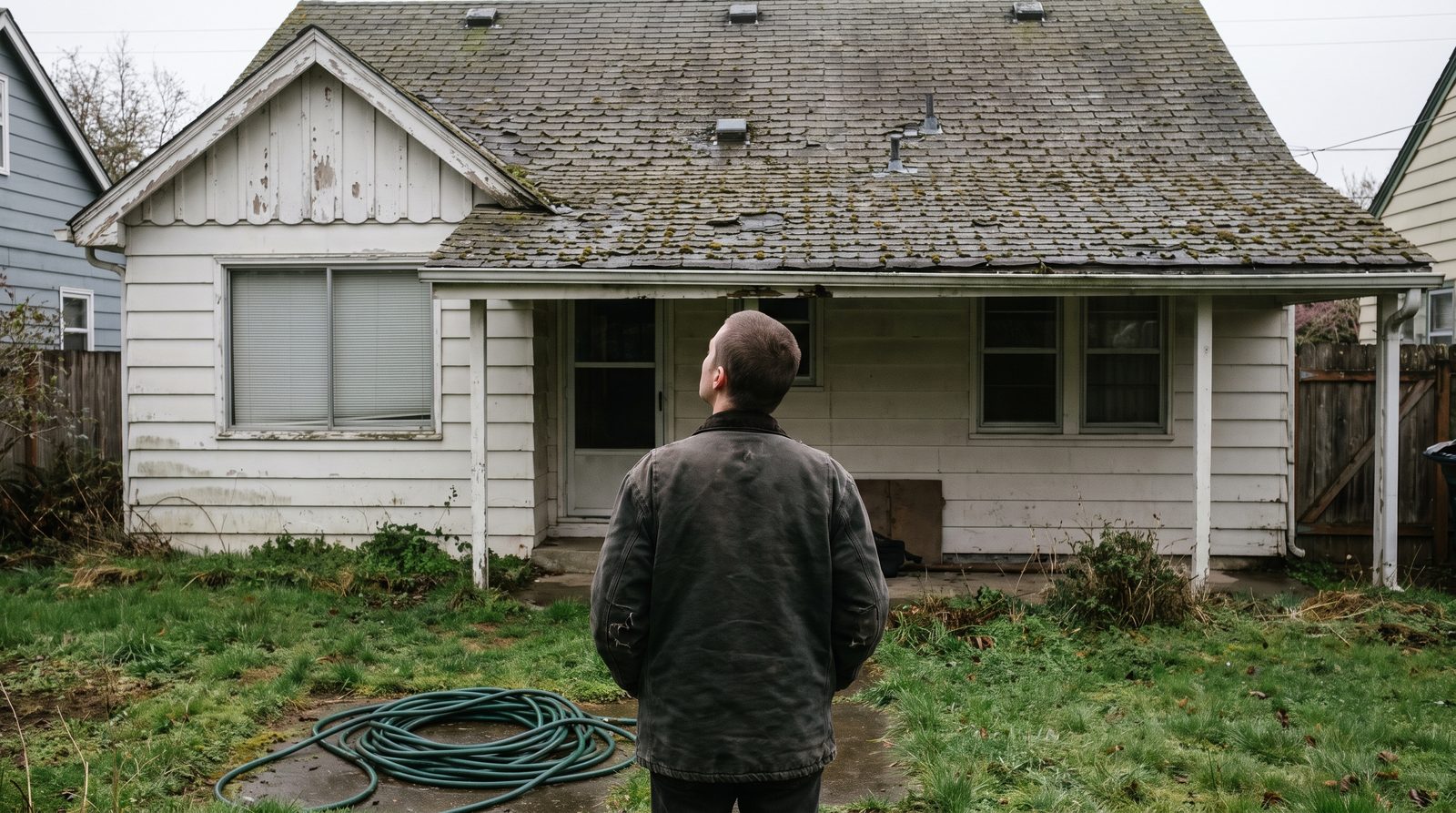
What the actual cash value clause means for your older roof
Two houses on the same street, same hail storm, same damage, same insurer. One homeowner gets a cheque for twenty-two thousand dollars. The other gets eight.
The difference is four words on the declarations page: actual cash value, or replacement cost.
The two ways a roof gets paid
Replacement cost coverage pays what it costs to put a new roof on today, subject to your deductible.
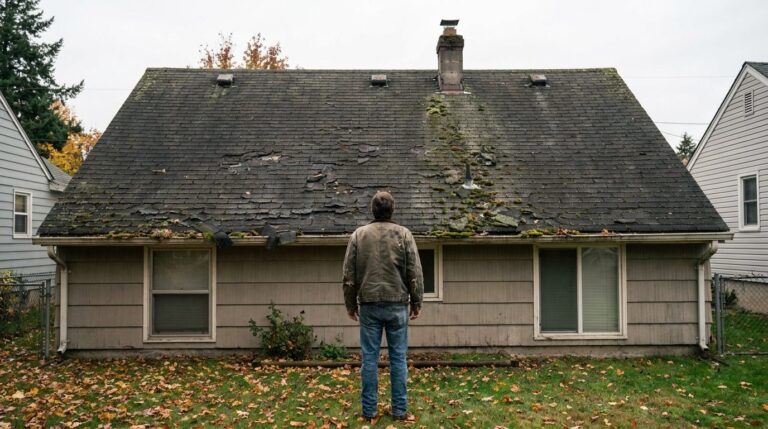
Actual cash value pays that figure minus depreciation for the age and remaining life of the roof. A twenty year shingle that is fifteen years old has most of its life behind it, and the payment reflects that.
The depreciation is not a small trim. On an older roof it can be the majority of the claim.
Neither of these is a scam. Actual cash value policies cost less, and for some houses that trade is reasonable. What is unreasonable is finding out which one you have while standing in your kitchen with an adjuster.
Why more policies are moving this way
Roof claims have been expensive for insurers for years, particularly in hail regions. I worked hail claims across southern Idaho and eastern Oregon and the volume in a bad summer is difficult to describe.
So insurers have pushed roof settlement toward actual cash value, often through a specific endorsement that applies only to the roof while the rest of the house stays on replacement cost. Sometimes it is tied to the roof reaching a certain age, commonly ten or fifteen years.
That endorsement can be added at renewal. It arrives in an envelope with a stack of other paper and almost nobody reads it.
How to check what you have
Pull out the declarations page. Look for the loss settlement provision, and look specifically for separate wording for roof surfacing.
The phrases to look for are replacement cost, actual cash value, ACV, and anything describing a roof payment schedule based on age.
If there is a schedule, there will be a table somewhere in the policy showing the percentage paid at each age. Find it. It tells you exactly what you would receive.
If you cannot find any of this, ring the agent and ask the question in one sentence: is my roof settled at replacement cost or actual cash value. Get the answer in an email.
The recoverable depreciation part
Here is something a lot of people with replacement cost coverage do not realise, and it costs them real money.
Even on a replacement cost policy, the first cheque is usually the actual cash value amount. The depreciation is held back and paid only after the work is completed and you submit the invoice. That is called recoverable depreciation.
If you take the first cheque and do not do the work, or you do the work and never send in the paperwork, you never see the rest. It simply stays with the insurer.
There is a deadline for claiming it too, often a year or two from the loss date, written in the policy.
I saw homeowners leave thousands on the table this way, usually because they patched the roof themselves and assumed the file was closed.
What to do about an older roof
If your roof is over fifteen years old, ask your agent three things. What settlement applies to the roof, what the premium difference would be for replacement cost, and whether the insurer will even offer it at this age.
Sometimes the answer is that they will not, in which case you now know what you are carrying.
Keep documentation of the roof's condition. Photographs from the ground each spring, and any inspection report. A well maintained roof that has been documented is easier to argue about than one with no history.
Keep the receipt and the date from the last replacement. Age is what drives the depreciation, and insurers use their own estimate of age unless you can show otherwise.
And be honest with yourself about the arithmetic. If the roof has five years left and actual cash value would pay a third of a replacement, the gap is something you should be setting money aside for, because it is not going to be a surprise. It is a scheduled expense with an uncertain date.