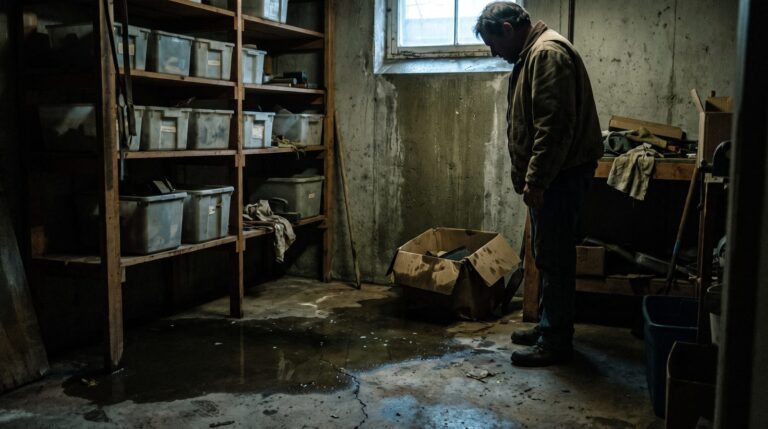

Why you received a nonrenewal notice from your home insurance company
A nonrenewal is not a cancellation. That distinction matters and it is the first thing to understand when the letter arrives.
Cancellation means the policy ends mid term and it can only happen for a short list of reasons. Nonrenewal means the insurer is honouring the policy to the end of the term and then declining to offer another one. The coverage you have now stays in force until the expiry date printed on the letter.
That gives you time. Usually thirty to sixty days depending on the state, and the notice period is set by state law.
Why it happens
Very often it has nothing to do with you.
Insurers withdraw from whole regions. They decide a county has too much wildfire exposure, or too many hail claims, or they simply want less property business in a state. Everybody in the book gets the same letter and nothing about your house is the issue.
When it is about your house, the common reasons are these.
Claims history. Two or three claims in a few years, even small ones, even ones that were not your fault. Insurers look at frequency more than severity, and a pattern of small claims worries them more than a single large one.
Roof age and condition. This is the biggest single driver I saw. Roofs past a certain age get flagged, and in a lot of books that age has been coming down.
An inspection finding. Insurers now fly drones and buy aerial imagery, and they inspect far more than they used to. Moss on the roof, a deck without a rail, peeling paint on exposed wood, a tree overhanging the house, a trampoline or a pool without fencing.
Property condition generally. Outbuildings in poor repair. Vehicles on the lawn. Things that read as deferred maintenance.
Rarely, a dog of a breed on their list, or a home based business they were not told about.
Find out which one it is
The letter must state a reason. Frequently the stated reason is short to the point of uselessness.
Ring and ask for the specific finding, and ask whether there is an inspection report. If there is one, ask for a copy. You are generally entitled to it and it will name exactly what they saw.
That report is the most useful document in this whole process, because it converts a vague rejection into a list of jobs.
What to do with the time
Fix what you can, quickly, and photograph it. Clean the roof, trim the trees, fix the rail, repair the siding.
Then ask the insurer whether they will reconsider on evidence of repair. Some will, particularly if the finding was a single condition item rather than a decision to exit the market. It is worth one phone call and it sometimes works.
At the same time, start shopping. Do not wait to see if the appeal succeeds. An independent agent who works with multiple carriers is worth far more than an hour of comparison websites here, because they know which companies are currently writing in your area and which are not.
Be straightforward about the nonrenewal when you apply. It will show up anyway, and an explanation you volunteer with photographs of completed repairs reads very differently from one they discover.
If nobody will write it
Every state has a residual market, often called a FAIR plan, which exists precisely for property that the standard market will not take. In some states there is a separate windstorm or beach plan.
FAIR plan coverage is usually more limited and more expensive, and it is often only basic perils. It is a floor, not a solution. But being insured on a FAIR plan while you fix the underlying issue is far better than being uninsured, and if you have a mortgage, being uninsured is not actually an option. The lender will force place a policy that is worse and costs more.
Revisit the standard market in a year or two once the repairs are done and the claims have aged.
The thing to avoid
Do not let the policy lapse, even for a day. A gap in coverage is itself a reason insurers decline, so a short lapse can turn a solvable problem into a much longer one.
Put the expiry date on the calendar the day the letter arrives and work backwards from it.